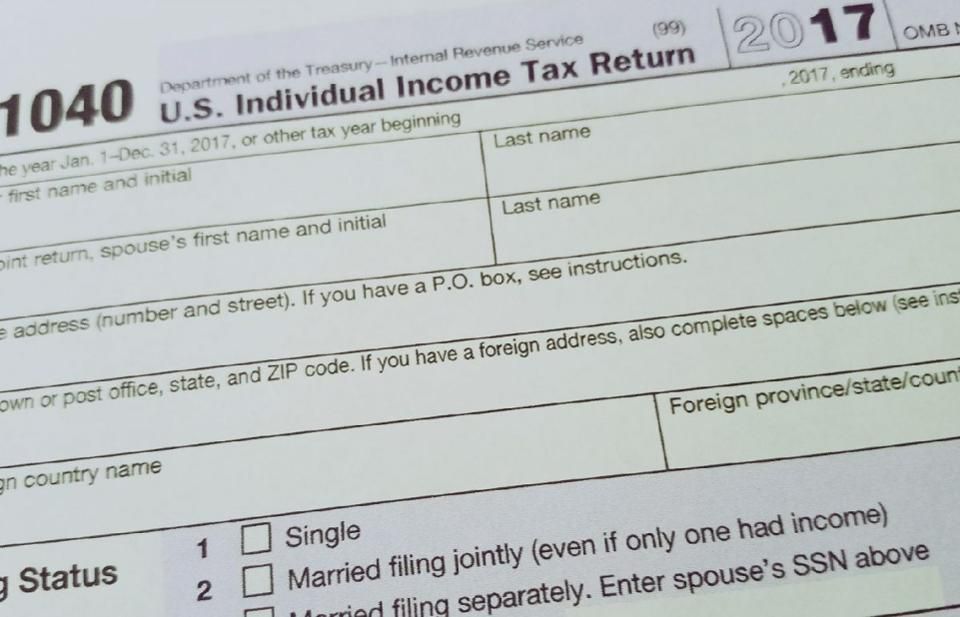
The Internal Revenue Service (IRS) has confirmed that it is now ready to process tax year 2017 returns claiming three popular tax benefits which were recently renewed retroactively.
As part of the budget deal reached earlier this year, a number of tax breaks that expired at the end of 2016 were extended through 2017. Those provisions, called extenders, are retroactive to January 1, 2017, and affect the tax return that you will file in 2018.
There was, of course, one big problem with those tax breaks: The IRS wasn’t ready for them. The bill was signed into law on February 9, 2018. The 2018 tax season, however, kicked off on January 29, 2018. For early filers, the new law affected the tax returns already filed in 2018. For taxpayers who were getting ready to file, the tax breaks presented a dilemma: File now or wait and see.
The IRS is reviewing the legislation signed Feb. 9 that retroactively extended and modified numerous tax provisions covering 2017. We are assessing these significant changes in the tax law and beginning to determine next steps. The IRS will provide additional information as quickly as possible for affected taxpayers and the tax community.
However, now, the IRS has reported that it has reprogrammed its processing systems to handle the three benefits most likely to be claimed on returns filed early in the tax season. Those are:
If you hope to claim tax extenders on your 2017 other than those three listed above, including tax breaks for energy-efficient home-improvement projects, the IRS recommends that you consider waiting. You can avoid delays or having to file an amended return later by filing after the IRS updates its systems to reflect those additional tax breaks.
If, however, you have already filed your 2017 federal tax return and you want to claim those tax breaks retroactively, you’ll need to amend your tax return. You can do so by filing a form 1040X, Amended U.S. Individual Income Tax Return (downloads as a pdf). Unfortunately, amended tax returns cannot be filed electronically, and you should be prepared to wait: During tax season, amended tax returns may take up to 16 weeks to process.
What is Smishing? Smishing is a form of phishing, smishing is when someone tries to…
If you receive income from a sharing economy activity, it’s generally taxable even if you…
In anticipation of enactment of the House and Senate proposed federal tax legislation, some commentators…
Effective with returns due after January 1, 2016, penalties for not filing correct information returns…
Nearly 80% of the time new clients come to our office, we end up amending…